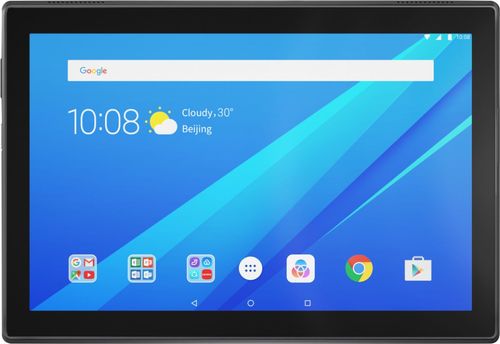
However, with hundreds of models in different shapes and sizes, not to mention different operating systems and prices, it can be hard to know exactly where to start.
On paper, all tablets do mostly the same things. The difference comes in how well they perform. If you just want a tablet for browsing the internet, watching Netflix and maybe a little light gaming, a £969 12.9in iPad Pro is overkill, even if it does handle all the tasks brilliantly.
Likewise, if you want to use your tablet for any kind of demanding work – chopping up 4K video or playing the greatest mobile games – the cheap and cheerful £80 Kindle Fire HD isn’t going to cut it, either.
If you’re caught somewhere in the middle, you’re looking at a price between the two. Set aside a budget of somewhere between £250 and £350 and you’ll have plenty of choice – especially if you’re happy looking at the previous generation of hardware for bargains (recent iPads still do a fine job, even if they aren’t the latest and greatest).
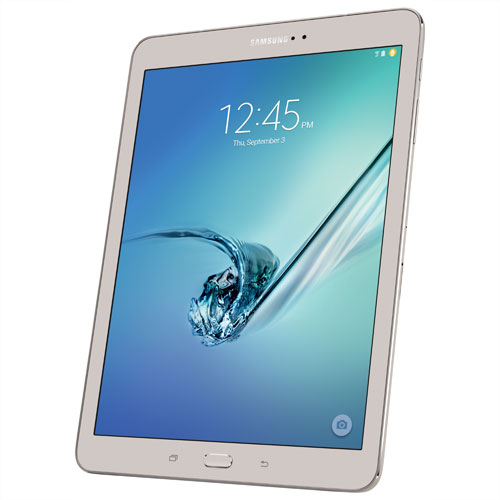
Tablets come with three main operating systems: iOS for iPads, Android or Windows for everything else. Amazon’s Fire HD comes with its own OS, but in reality it’s a heavily modified version of Android designed to hawk Amazon goods more effectively.
In some respects, it makes sense to stick to what you know. It’s certainly easier to stay within the same ecosystem, as everything will have a great familiarity about it – and Apple products, in particular, are very good at syncing between Mac, iPhone and iPad. Likewise, if you’ve only ever used iPhones and Windows laptops, taking the plunge with Android will take a little getting used to.
But, in truth, it doesn’t matter which one you use that much, what with cloud storage being what it is. It’s very easy to get your documents and files between all three, be it through Dropbox, Google Drive or OneDrive.
As with the last point, on one level this simply doesn’t matter anymore. Cloud storage works across all the tablet platforms – so keeping your files in reach, but not taking up precious local space, is easy.
On the other hand, you probably don’t want to be constantly juggling files to keep your tablet from getting full. Look out for tablets with microSD slots, and remember that this has never applied to iPads – so, if you have a lot of files, the cheapest 32GB iPad may not be right for you.
 Best tablet